
The Future of Auto Forex Trading: Strategy, Technology, and Market Insights
In the rapidly evolving world of finance, auto forex trading https://fxtrading-broker.com/ has emerged as a game changer for both novice and experienced traders. With the increasing accessibility of technology and trading platforms, individuals can now leverage automated systems to enhance their trading strategies and improve their market understanding.
Understanding Auto Forex Trading
Auto forex trading involves the use of algorithms and automated systems to execute trades in the foreign exchange market. These systems can be based on various trading strategies, including trend following, arbitrage, and market making, allowing traders to enter and exit positions without manual intervention. By employing these technologies, traders can capitalize on market movements 24/5, benefiting from the volatility and liquidity that the forex market offers.
At its core, automated trading significantly reduces the emotional aspects of trading—fear and greed—allowing traders to adhere to their strategies with discipline. This emotional control is crucial, especially in the fast-moving forex market, where reactions need to be quick and precise.
Key Technologies in Auto Forex Trading
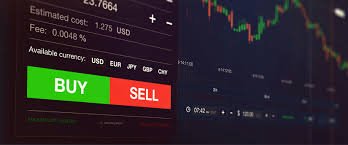
The success of auto forex trading heavily relies on technology. Below are some of the key technologies that power this trading method:
- Trading Algorithms: These are mathematical models that analyze market data to determine entry and exit points. They can process vast amounts of data in real-time, providing traders with a competitive advantage.
- Expert Advisors (EAs): EAs are software programs attached to a trading platform. They use complex algorithms to perform trades, backtest strategies, and optimize trading settings.
- API Integration: Many brokers offer APIs that allow traders to connect their software to trading services. This integration enables seamless execution of trades based on predefined criteria.
- Machine Learning: Increasingly, traders are using machine learning models to predict market movements based on historical data and existing market conditions. These models can adapt over time, improving their prediction accuracy.
- Cloud Computing: With the rise of cloud computing, traders can now run their automated systems without the need for powerful on-premises hardware, reducing costs and improving reliability.
Benefits of Auto Forex Trading
The rise of auto forex trading offers several benefits:
- Increased Efficiency: Automated systems can analyze data and execute trades much faster than human traders, allowing for tremendous efficiency in capturing market opportunities.
- No Emotional Bias: As mentioned earlier, automation eliminates emotional decision-making, helping traders stick to their strategies even in volatile markets.
- 24/5 Trading: Automated systems can trade around the clock, seizing opportunities in different time zones and maximizing potential profits.
- Backtesting: Traders can backtest their strategies using historical data to assess their viability before deploying them in live markets.
- Customization: Traders can tailor their automated systems to fit their specific trading style and risk tolerance.
Challenges in Auto Forex Trading
Despite its benefits, auto forex trading is not without its challenges:
- Market Volatility: The forex market can be highly volatile, and automated systems may not always react effectively to unexpected market events.
- Technical Failures: Software glitches, internet connectivity issues, and power outages can lead to significant losses if not adequately managed.
- Over-Optimization: Traders may optimize their algorithms based on historical data to the point where they become less effective in real market conditions—a phenomenon known as “overfitting.”
- Lack of Understanding: Many traders enter the world of auto trading without a solid understanding of forex markets or trading principles, which can lead to poor results.
- Regulatory Risks: Regulatory standards for automated and algorithmic trading vary by jurisdiction, and traders must be aware of compliance requirements.
Getting Started with Auto Forex Trading
For those interested in venturing into auto forex trading, here are some steps to consider:
- Research and Education: Start by learning about forex markets, trading principles, and available technologies. Resources such as online courses, webinars, and trading communities can be valuable.
- Choose a Reliable Broker: Select a broker that offers a robust trading platform with support for automated trading. Research reviews and ensure they are regulated by relevant authorities.
- Develop a Strategy: Create a clear trading strategy that outlines your goals, risk tolerance, and criteria for entering and exiting trades.
- Start with a Demo Account: Many brokers offer demo accounts to practice trading in a risk-free environment. This is an excellent way to test your strategies and automated systems.
- Monitor Performance: Once you’ve moved to live trading, continually monitor your automated systems’ performance and be willing to make adjustments as market conditions change.
Conclusion
Auto forex trading has revolutionized the way traders approach the foreign exchange market. With its combination of technology and strategy, the best auto trading systems can offer significant advantages in terms of efficiency, emotional control, and market responsiveness. However, it’s essential for traders to be aware of the challenges and to approach automated trading with a solid understanding of both the technology and the market itself. By doing so, you can navigate the complexities of forex trading and potentially reap the rewards it has to offer.

Leave a comment