

The Essentials of Forex Exchange Trading: Strategies, Tips, and Tools
Forex exchange trading, commonly known as forex trading, has become increasingly popular among investors and traders around the globe. With the rise of online platforms such as forex exchange trading trading-terminal.com, anyone with an internet connection can participate in this lucrative market. This article will explore the fundamental concepts of forex trading, essential strategies, tips for success, and the tools available for traders of all levels.
Understanding the Forex Market
The forex market is the largest financial market in the world, with a daily trading volume exceeding $6 trillion. Unlike stock markets, forex trading operates 24 hours a day, five days a week, allowing traders to engage in buying and selling currency pairs at any time. The forex market is decentralized, meaning that trades occur over-the-counter (OTC) rather than on a formal exchange.
Currency Pairs
In forex trading, currencies are traded in pairs, such as EUR/USD or GBP/JPY. The first currency in the pair is known as the base currency, while the second currency is the quote currency. The value of the pair reflects how much of the quote currency is needed to purchase one unit of the base currency. Understanding how to read currency pairs and their quotes is essential for successful trading.
Basic Concepts in Forex Trading
To become proficient in forex trading, it’s important to understand several key concepts:
1. Pips
A pip (percentage in point) is the smallest price movement that a currency pair can make based on market convention. For most currency pairs, one pip is equal to 0.0001. However, for pairs involving the Japanese yen, one pip is equal to 0.01.
2. Leverage
Leverage allows traders to control larger positions with a smaller amount of capital. For example, if a trader has a leverage of 100:1, they can control $100,000 with just $1,000 of their own funds. While leverage can amplify profits, it can also increase potential losses, making risk management critical.
3. Margin
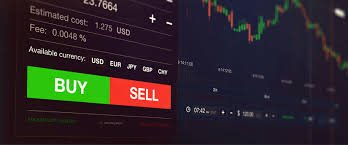
Margin is the amount of capital required to open and maintain a leveraged position. Understanding how margin works is critical for managing your trading account and avoiding margin calls.
Strategies for Successful Forex Trading
Successful forex trading requires a well-thought-out trading strategy. Here are some popular strategies employed by traders:
1. Day Trading
Day trading involves opening and closing positions within the same trading day. Day traders capitalize on short-term price movements, often using technical analysis to inform their decisions.
2. Swing Trading
Swing trading focuses on holding positions for several days to capture short- to medium-term price movements. This strategy requires traders to analyze market trends and indicators more thoroughly than day trading.
3. Position Trading
Position trading is a long-term strategy where traders hold positions for weeks or months. This approach relies on fundamental analysis to determine the overall trend of a currency pair.
Tools for Forex Traders
Traders have access to a variety of tools and resources to assist them in their forex trading journey:
1. Trading Platforms
Trading platforms are software applications that enable traders to place orders, manage accounts, and analyze market data. Popular platforms include MetaTrader 4 (MT4) and MetaTrader 5 (MT5), which offer robust charting tools and automated trading options.
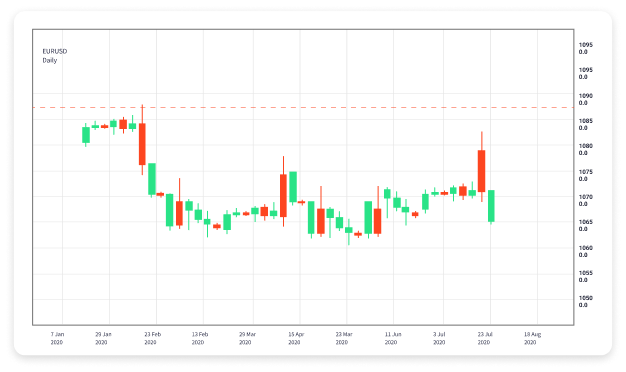
2. Charting Tools
Charting tools help traders visualize price movements and identify trends. Many platforms provide a variety of technical indicators, such as moving averages, relative strength index (RSI), and Fibonacci retracements, to assist in technical analysis.
3. Economic Calendars
Economic calendars display upcoming economic events and data releases that can impact currency prices. Traders use these resources to plan their trades around key announcements, such as interest rate decisions and GDP releases.
Risk Management in Forex Trading
Effective risk management is vital in forex trading. Here are some key principles to follow:
1. Use Stop-Loss Orders
Stop-loss orders automatically close a position when a specified price level is reached, helping to limit potential losses. Traders should set stop-loss levels based on their risk tolerance and market volatility.
2. Diversify Your Portfolio
Diversification involves spreading investments across different currency pairs and strategies to reduce risk. By not putting all your capital into a single position, you can mitigate the impact of adverse price movements.
3. Avoid Over-Leveraging
While leverage can enhance profits, excessive leverage can lead to significant losses. Traders should use leverage cautiously and determine the appropriate amount based on their risk tolerance and trading style.
Conclusion
The forex exchange trading market offers immense opportunities for profit, but it also comes with risks. By understanding the fundamentals, employing effective strategies, utilizing available tools, and practicing sound risk management, traders can increase their chances of success. Whether you are a novice or an experienced trader, continuous learning and adaptation are crucial to thriving in this dynamic market. Embrace the journey of forex trading, and who knows? You might just unlock your potential as a successful trader!

Leave a comment