
The Ins and Outs of Forex Trading: Opportunities and Risks
Forex trading, or foreign exchange trading, involves the buying and selling of currencies on a global market. With an average daily trading volume exceeding $6 trillion, Forex stands as the largest financial market in the world. Whether you are an experienced trader or a beginner just exploring your options, understanding the dynamics of this market is crucial for success. In this comprehensive guide, we will delve into the fundamental aspects of Forex trading, including its mechanisms, benefits, and risks. Additionally, we will discuss the importance of choosing reliable brokers, such as forex and trading Forex Brokers in Cambodia, to enhance your trading experience.
Understanding the Forex Market
The Forex market operates 24 hours a day, five days a week, providing traders with the flexibility to participate at any time. Currencies are traded in pairs, with the value of one currency relative to another dictating the price. For instance, in the EUR/USD pair, if the Euro is strong against the US Dollar, a trader might buy Euros while selling Dollars. The major currency pairs include EUR/USD, USD/JPY, and GBP/USD, which are favored due to their liquidity and volatility.
How Forex Trading Works
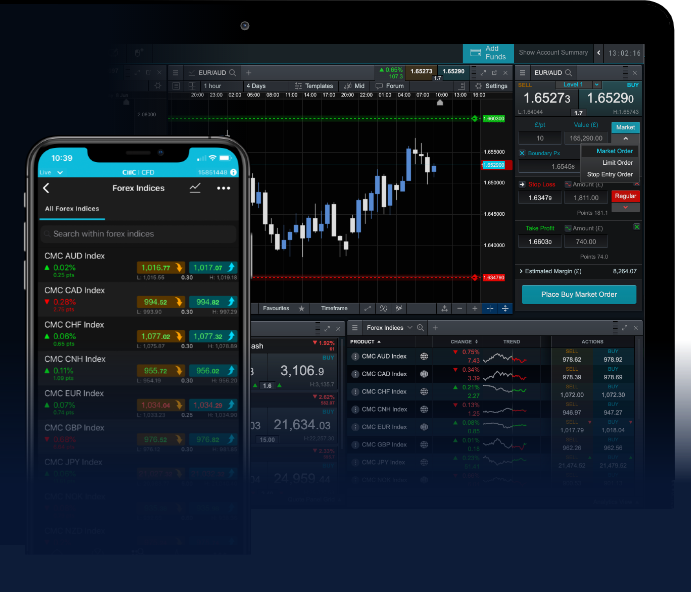
To engage in Forex trading, you need a trading platform provided by a broker. These platforms offer tools and resources that facilitate trading activities, including charts, technical analysis, and educational materials. Before you start trading, you must open a trading account, fund it, and choose a currency pair to trade. Traders can take advantage of various strategies, such as day trading, swing trading, or position trading, depending on their risk appetite and market outlook.

Benefits of Forex Trading
Forex trading offers numerous advantages that attract traders from around the globe. Some of the primary benefits include:
- High Liquidity: The massive volume of trading activity ensures quick transactions and minimal price discrepancies.
- Leverage: Traders can control large positions with smaller amounts of capital, amplifying potential profits.
- Accessibility: With online trading platforms, anyone with an internet connection can participate in the Forex market.
- Diverse Trading Opportunities: A wide variety of currency pairs enables traders to explore multiple avenues for profit.
- Flexibility: Traders can operate at any time, whether they are full-time professionals or part-time enthusiasts.
Risks Involved in Forex Trading
While Forex trading can be lucrative, it is also accompanied by significant risks that traders must understand. Some of these risks include:
- Market Volatility: Currency prices can fluctuate drastically due to economic events, geopolitical tensions, and market sentiment, leading to potential losses.
- Leverage Risks: While leverage can enhance profits, it can also magnify losses, leading to the potential depletion of trading capital.
- Counterparty Risks: Trading with unreliable brokers may expose traders to financial fraud or insolvency.
- Psychological Factors: Emotions such as fear and greed can cloud judgment, leading to impulsive decisions that may result in losses.
Choosing the Right Forex Broker

Selecting a reputable broker is one of the most critical decisions a trader will make. A good broker should offer:
- Regulation: Ensure that the broker is regulated by a recognized authority to guarantee a certain level of security and trust.
- Competitive Spreads: Lower spreads can significantly impact profitability, so it’s essential to compare offerings from different brokers.
- User-Friendly Platform: The trading platform should be intuitive and equipped with necessary tools for analysis and trading.
- Customer Service: Responsive and knowledgeable customer support can assist in resolving issues promptly.
- Educational Resources: Brokers that provide educational materials can help traders of all levels improve their skills and knowledge.
Developing a Successful Trading Strategy
A well-defined trading strategy is essential for success in the Forex market. Here are some key elements to consider when developing your strategy:
- Define Your Goals: Set clear, achievable objectives based on your risk tolerance and trading style.
- Technical Analysis: Utilize charts, indicators, and patterns to inform your trading decisions.
- Risk Management: Implement stop-loss orders and position sizing to protect your capital and limit losses.
- Continuous Learning: Stay updated on market trends, economic indicators, and geopolitical developments that could impact currency movements.
Conclusion
Forex trading presents a world of opportunities for those willing to learn and navigate the dynamics of the market. Understanding its mechanisms, benefits, and risks can help traders develop effective strategies that enhance their trading experience. By selecting the right brokers and committing to continuous learning, you can position yourself for success in this exciting financial landscape. Remember, the key to profitable trading lies in knowledge, discipline, and a well-thought-out approach.

Leave a comment