

The Ultimate Guide to Forex Trading with Online Brokers
Forex trading has gained significant popularity in recent years, becoming a go-to investment avenue for many traders globally. With numerous platforms available for trading, understanding how to choose the right forex trading online broker India Brokers and thrive in the vast Forex market is essential for both beginners and seasoned investors.
What is Forex Trading?
Forex, short for foreign exchange, is the global marketplace for trading national currencies against one another. The Forex market is the largest and most liquid market in the world, with daily trading volumes exceeding $6 trillion. Unlike other markets, Forex operates 24 hours a day, five days a week, making it highly accessible for traders across different time zones.
Why Choose an Online Broker?
Online brokers have revolutionized the way individuals trade Forex. They provide the necessary platforms, tools, and resources for traders to execute trades, analyze market trends, and manage their investment portfolios. Here are some reasons why traders opt for online brokers:
- Accessibility: Traders can access the Forex market from anywhere in the world, using a variety of devices including laptops, tablets, and smartphones.
- Cost-Effectiveness: Online brokers often have lower transaction fees compared to traditional brokers, making trading more affordable.
- Advanced Trading Tools: Many online brokers offer sophisticated trading tools and software to help traders make informed decisions.
- Educational Resources: A majority of online brokers provide educational resources, including tutorials, webinars, and demo accounts, empowering traders to enhance their skills.
How to Choose the Right Online Forex Broker
Selecting the ideal online broker is crucial for your trading success. Here are key factors to consider:
1. Regulation
Ensure that the broker is regulated by a reputable authority. Regulatory bodies like the Financial Conduct Authority (FCA) in the UK and the Commodity Futures Trading Commission (CFTC) in the US ensure that brokers adhere to strict standards, providing trader protection.
2. Trading Platforms
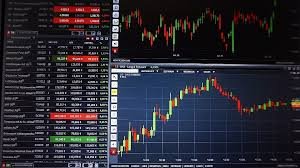
Investigate the trading platforms offered by the broker. Popular platforms like MetaTrader 4 or MetaTrader 5 provide comprehensive charting tools, technical indicators, and automated trading options.
3. Spreads and Fees
Compare spreads (the difference between buying and selling prices) and other fees associated with trading. Look for brokers that offer competitive rates as lower transaction costs can significantly affect profitability.
4. Customer Support
Reliable customer support is essential, especially for new traders. Check if the broker offers multiple support channels such as live chat, email, and phone support.
5. Account Types
Assess the types of accounts available. Some brokers provide various account types tailored for different trading strategies and experience levels, including standard, ECN, or demo accounts.
Benefits of Forex Trading
Trading Forex comes with numerous advantages, which include:
- High Liquidity: The Forex market is known for its high liquidity, allowing traders to enter and exit positions quickly.
- Leverage: Many brokers offer leverage, allowing traders to control larger positions with a smaller amount of capital.
- Diverse Trading Opportunities: Traders can capitalize on various currency pairs and market conditions, including rising and falling markets.
- Potential for High Returns: Experienced traders can achieve significant profits due to market volatility.
Common Forex Trading Strategies
There are various strategies that traders employ to make profitable trades. Some of the most common strategies include:
1. Day Trading
Day trading involves executing multiple trades within a single day, capitalizing on small price movements. This strategy requires a deep understanding of market dynamics and timely decision-making.
2. Swing Trading
Swing traders hold positions for several days or weeks, aiming to profit from expected price shifts. This method requires a good grasp of technical analysis and market trends.
3. Scalping
Scalping is a strategy focused on making numerous small profits throughout the day. Scalpers typically hold positions for a few seconds to minutes, requiring a precise approach to market analysis.
Tips for Successful Forex Trading
To enhance your chances of success in Forex trading, consider these tips:
- Educate Yourself: Continuous learning is key in Forex trading. Utilize resources provided by your broker and explore third-party educational content.
- Practice with a Demo Account: Before diving into live trading, practice with a demo account to refine your skills and strategies without risking real money.
- Manage Your Risk: Implement risk management strategies, such as setting stop-loss orders, to protect your capital from significant losses.
- Stay Informed: Keep up with global financial news and events, as they can significantly impact currency prices and market trends.
Conclusion
Forex trading with online brokers presents a wealth of opportunities for investors. However, it’s crucial to do your research and select a broker that aligns with your trading needs. By educating yourself, practicing trading strategies, and managing risk effectively, you can navigate this dynamic market successfully. Embrace the journey of Forex trading, and you may uncover potential profit and financial growth.

Leave a comment